
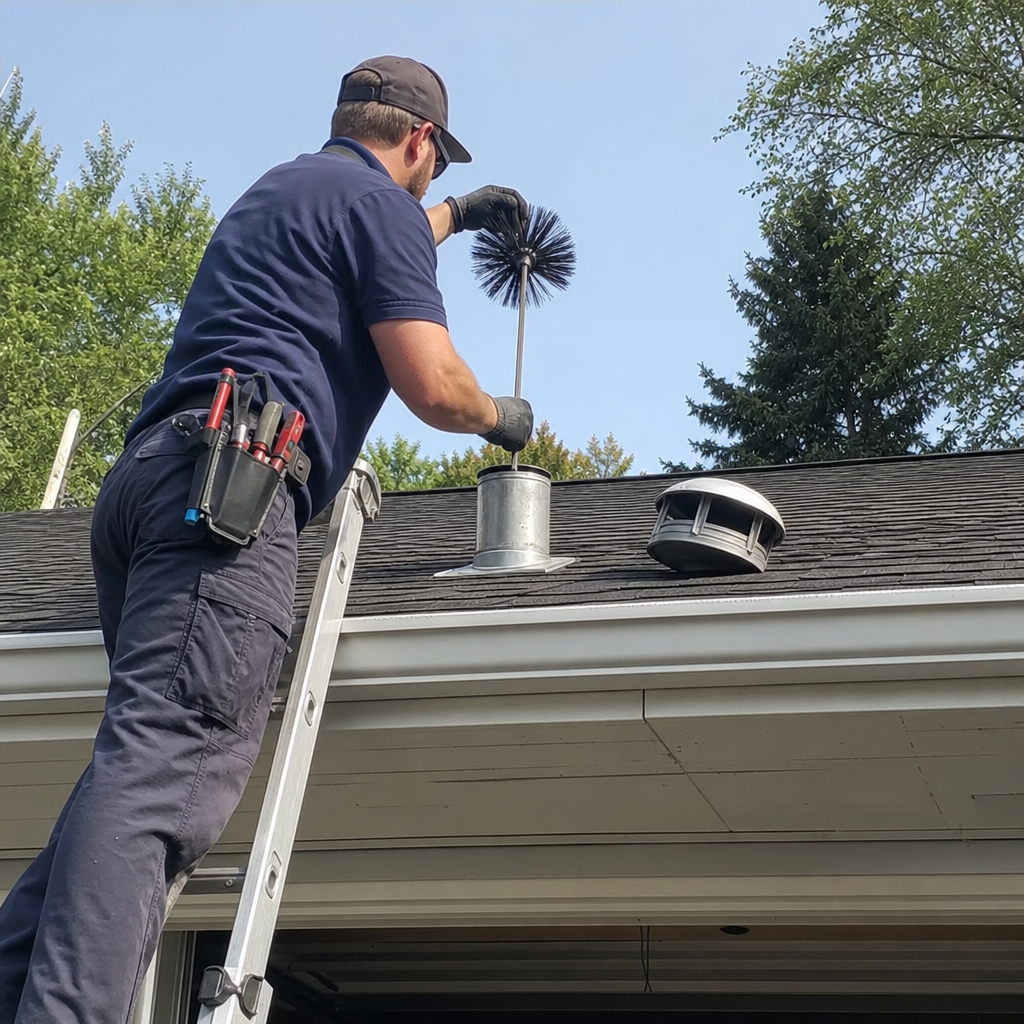
Fast, Reliable Dryer Vent Cleaning Across Greenbelt
Dryer vent cleaning in Greenbelt, MD typically costs $150–$325 for a standard residential service, with most appointments completed in 60–90 minutes and same-day scheduling available for urgent lint blockages. If your dryer takes two cycles to finish a load, that’s not normal wear — it’s a clogged vent creating a genuine fire hazard.
We’ve been driving out to Greenbelt from our Baltimore base for 14 years, and we know the difference between a straightforward ranch-house vent in the newer sections and the puzzle-box retrofits hiding inside Old Greenbelt’s historic cooperatives. Robert Garcia handles every job personally as lead technician, bringing our Rotobrush and Nikro extraction systems to homes from the 1930s-era row houses along Crescent Road to the mid-century splits near Greenbelt Park. Call (855) 301-6549 for a free estimate — we’ll give you an honest assessment of whether your vent needs cleaning, rerouting, or a complete rebuild.
Why Apex Air Duct Cleaning Maryland Is Greenbelt’s Preferred Dryer Vent Cleaning Company
Our Dryer Vent Cleaning reputation in Greenbelt was built one appointment at a time. We’ve earned 254 verified reviews averaging 4.7 stars, and a significant share of those come from repeat customers in Prince George’s County who’ve watched us work through the peculiar challenges of their specific homes.
Response time matters when you’re smelling burning lint or your dryer keeps throwing thermal cutoff errors. From our Baltimore location, we’re typically on-site in Greenbelt within 2–3 hours of your call for urgent situations — faster than most national chains who dispatch from DC or farther-flung hubs. We carry the full range of Nikro brushes and flexible rods sized for everything from standard 4-inch rigid vents to the narrow, irregular cavities we encounter in historic Greenbelt properties.
Robert doesn’t delegate to a crew of day laborers. He arrives, inspects, explains what he’s seeing, and does the actual cleaning himself. That’s ownership-level accountability you won’t get from a dispatcher sending whichever technician happens to be free.
Our Dryer Vent Cleaning Services in Greenbelt
Dryer Vent Inspection
A proper inspection in Greenbelt requires adapting to the housing stock we’re walking into. In the 1950s–1970s ranch and split-level homes common north of the historic district, we can usually run our camera through standard rigid-metal ductwork and spot lint accumulation, joint separation, or damage from roof-vent animal intrusion. But in Old Greenbelt’s cooperative row houses and garden apartments — the 20770 ZIP core — we’ve learned to expect retrofitted vents threaded through original 1930s plaster-and-tile wall cavities. Standard camera tools can’t navigate those tight, irregular bends. Robert uses a combination of airflow measurement, back-pressure testing, and manual probing to locate debris pockets that have gone undisturbed for decades. A thorough inspection in Greenbelt takes 20–40 minutes depending on access complexity.

Vent Cleaning & Lint Removal
Lint removal is where our equipment investment pays off for Greenbelt homeowners. Our Rotobrush system — a professional-grade rotary brush with reverse-skipper heads and HEPA containment from Abatement Technologies — breaks loose packed lint that shop-vac attachments simply can’t reach. In Greenbelt’s older homes, this matters enormously. Original sheet-metal vents in mid-century properties have sharp offsets and degrading fiberglass liner that trap lint in corners; without aggressive mechanical agitation, that buildup becomes a progressive airflow restriction and escalating fire risk. Our crew recently serviced a garden apartment on Crescent Road in Old Greenbelt where the 1940s-era dryer vent had been threaded through a plaster wall cavity during a retrofit. Using the Rotobrush system, we cleared years of lint from an inaccessible bend that had been causing slow drying and high humidity inside the unit. The tenant reported clothes drying in a single cycle for the first time in two years.

Vent Rerouting
Sometimes cleaning isn’t enough — the vent itself is the problem. In Greenbelt’s historic district, we’ve encountered dryer vents routed through wall cavities that were never designed for ductwork, with runs exceeding 35 feet, multiple 90-degree turns, and terminations in enclosed crawl spaces rather than exterior walls. These configurations violate current IRC guidelines and create chronic lint accumulation regardless of cleaning frequency. Robert will tell you straight when rerouting makes more sense than another temporary clearing. We design new runs using rigid aluminum where possible, minimizing bends and ensuring exterior termination with proper backdraft dampers. Rerouting in Old Greenbelt cooperatives requires coordination with building management — we’re experienced navigating those approval processes and can provide the technical documentation boards typically require.
Bird Guard Installation & Vent Cap Replacement
Greenbelt’s mature urban canopy — those magnificent oaks and sweet gums that define the planned community’s original vision — creates a secondary hazard: nesting birds and squirrels. Damaged or missing vent caps are an open invitation. We stock replacement caps with integrated bird guards and install them during cleaning appointments to prevent future blockages. For homes in the 20771 area near Greenbelt Park, where wildlife pressure is highest, we recommend stainless-steel guards rather than lightweight plastic that degrades in Maryland’s freeze-thaw cycles.
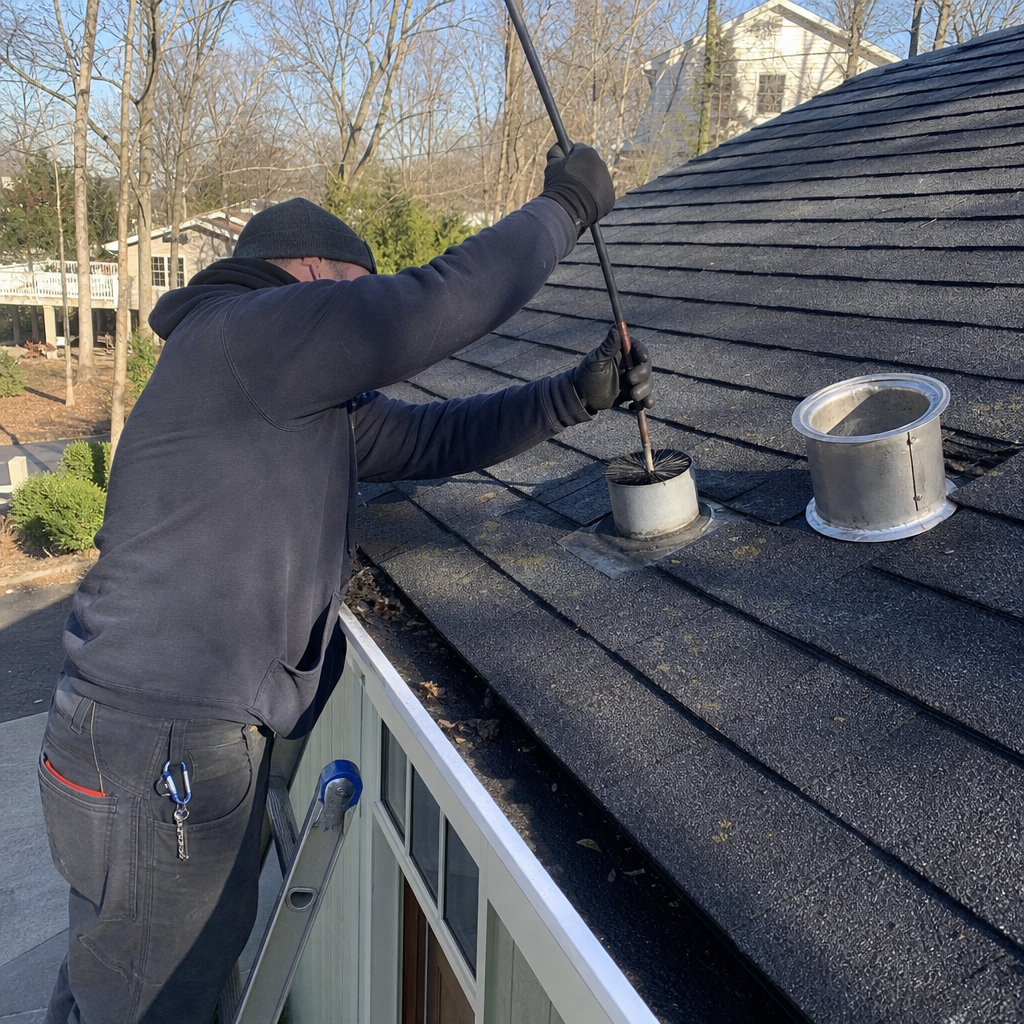
What happens when you call
- 1
A real person answersNo phone trees — you reach a local pro.
- 2
You get an upfront price rangeHonest numbers before anyone is dispatched.
- 3
A background-checked tech heads outLicensed & insured, dispatched right away.
- 4
You approve before work beginsNothing starts until you say go.
Trusted Brands We Service in Greenbelt
Our equipment choices reflect our specialist focus. We clean with Rotobrush and Nikro rotary systems — the same brands serious remediation contractors use, not the repurposed shop-vac setups common among low-bid competitors. For containment and negative-air isolation during intensive cleanings, we deploy Abatement Technologies HEPA filtration to prevent cross-contamination inside your home. When air quality upgrades accompany vent work, we’re authorized to install and service Honeywell and Aprilaire whole-home ventilation and filtration products. We maintain local parts inventory for common vent cap sizes and transition fittings, which means most Greenbelt repairs don’t wait on shipping — a significant advantage when you’re dealing with a blocked vent in high-humidity summer conditions.
Common Dryer Vent Cleaning Problems We See in Greenbelt Homes
- Legacy plaster-cavity vents in Old Greenbelt. Retrofitted dryer vents from 1930s units were often routed through original plaster-and-tile wall cavities, creating tight, irregular bends that standard camera inspection tools cannot navigate. Debris pockets at these turns accumulate for years, creating hidden fire hazards that only specialized flexible brushing can address.
- Degrading fiberglass liner in mid-century systems. Original sheet-metal vents in 1950s–1970s Greenbelt homes have sharp offsets and degrading fiberglass liner that traps lint and restricts airflow. As the liner deteriorates, it creates a textured surface that captures particles standard cleaning may miss without aggressive rotary agitation.
- Biological growth from heavy pollen loads. Greenbelt’s deliberately preserved urban tree canopy generates exceptionally heavy oak and sweet-gum pollen loads each spring, and mature deciduous cover keeps organic particulate matter elevated year-round. This accelerates biological growth in damp dryer vents — especially those with slow airflow from partial blockages — increasing both fire risk and musty odors transferred to laundry.
- Excessive run lengths from poor retrofits. Many Greenbelt garden apartments and cooperative units have dryer vent runs exceeding 25 feet with multiple direction changes, far beyond the IRC-recommended maximum of 25 feet with two 90-degree elbows. Each additional bend reduces airflow velocity and creates another lint collection point.
Pricing for Dryer Vent Cleaning in Greenbelt, MD
| Service | Typical Range in Greenbelt |
|---|---|
| Standard dryer vent cleaning (accessible, single-story) | $150–$195 |
| Multi-story or extended-run vent cleaning | $195–$275 |
| Heavy lint removal with rotary agitation (packed systems) | $225–$295 |
| Vent rerouting / partial rebuild | $275–$425 |
| Bird guard or vent cap replacement (with cleaning) | $45–$85 add-on |
| Old Greenbelt historic-unit specialty cleaning | $250–$325 |
What moves you within these ranges? Accessibility is the biggest factor — a straight 4-foot run through an exterior wall in a 1960s ranch is straightforward; a 30-foot retrofit through plaster cavities in a 20770 cooperative row house requires specialized equipment and significantly more time. Extent of lint accumulation matters too — a vent cleaned within two years versus one that’s been neglected for a decade. We provide exact quotes before starting any work, and estimates are always free. Call (855) 301-6549 to schedule — we’ll ask the right questions about your Greenbelt home’s age and configuration to give you an accurate number over the phone.
We Also Serve Cities Near Greenbelt
Our service radius covers the full Prince George’s County corridor surrounding Greenbelt, including Goddard to the west, Lanham-Seabrook and Seabrook to the south, and New Carrollton to the east. Many of our Greenbelt customers originally found us through referrals from neighbors in these adjacent communities. Same response standards apply — Robert handles every job personally, regardless of which side of the Beltway you’re on.
Serving Greenbelt, MD — Our Local Coverage Area
We’re based in the Greenbelt area and know this community well. Use the map below to see our service coverage — if you’re nearby, we can almost certainly help.
FAQs — Dryer Vent Cleaning in Greenbelt
Greenbelt’s historic housing stock creates vent configurations rarely encountered elsewhere in Prince George’s County. The 1930s-era cooperatives of Old Greenbelt have retrofitted vents through plaster wall cavities with irregular bends that defeat standard inspection tools, while mid-century homes have original sheet-metal systems with degrading fiberglass liner. These conditions require specialized rotary brushing and manual probing techniques that generic dryer vent services simply don’t bring to the job. Call (855) 301-6549 — we’ll assess whether your Greenbelt home needs standard cleaning or historic-property specialty service.
Yes. The New Deal-era cooperatives were built without any dryer vent infrastructure; ducts were added decades later as the path of least resistance through existing wall cavities. This created sharp offsets, excessive run lengths, and terminations in suboptimal locations. Standard camera inspections cannot navigate these bends, so debris pockets remain hidden until they cause measurable problems like two-cycle drying or thermal cutoff failures. Our Rotobrush system with flexible skipper heads can clear these inaccessible accumulations without damaging fragile plaster surrounds. We’ve developed specific protocols for these units over 14 years of service calls to the 20770 ZIP.
For standard Greenbelt homes in the newer sections — 1950s–1970s construction with accessible exterior-wall terminations — annual cleaning is sufficient for typical household laundry volumes. For Old Greenbelt cooperatives with retrofitted cavity vents, or homes with heavy pollen exposure from the mature tree canopy, we recommend inspection every 8–10 months and cleaning at least annually. Properties with multiple residents or frequent laundry cycles should shorten intervals accordingly. The heavy oak and sweet-gum pollen in Greenbelt’s preserved canopy contributes to faster biological growth in damp vents compared to more open suburban areas. Call for a free assessment of your specific situation.
Absolutely — it’s a significant portion of our Greenbelt workload. We don’t drill into historic plaster unnecessarily. Our approach combines airflow diagnostics to locate blockages, then targeted rotary brushing through existing access points. When we serviced that garden apartment on Crescent Road, we cleared years of packed lint without any wall damage. Robert will explain exactly what access he needs before starting, and we’ll reroute rather than destroy historic fabric if the existing path is truly unworkable. We’ve earned repeat business from Old Greenbelt cooperative boards precisely because we respect their buildings’ integrity.
Watch for clothes requiring two or more cycles to dry, a dryer that’s hot to the touch on the outside, musty odors in laundry, or visible lint accumulation around the exterior vent termination. In Greenbelt’s older homes specifically, you may also notice elevated humidity inside the laundry area — a sign that moist exhaust air is backing up through gaps in degrading ductwork. During spring pollen season, biological growth in partially blocked vents can create distinctive mildew-like smells that transfer to fabrics. Any of these symptoms warrant immediate inspection; lint-blocked dryers cause thousands of residential fires annually. Call (855) 301-6549 for same-day assessment — estimates are free, and we’ll give you an honest evaluation of whether cleaning, repair, or rerouting is your best path forward.
Written by Robert Garcia, Owner at Apex Air Duct Cleaning Maryland, serving Greenbelt and Baltimore-area communities since 2011.